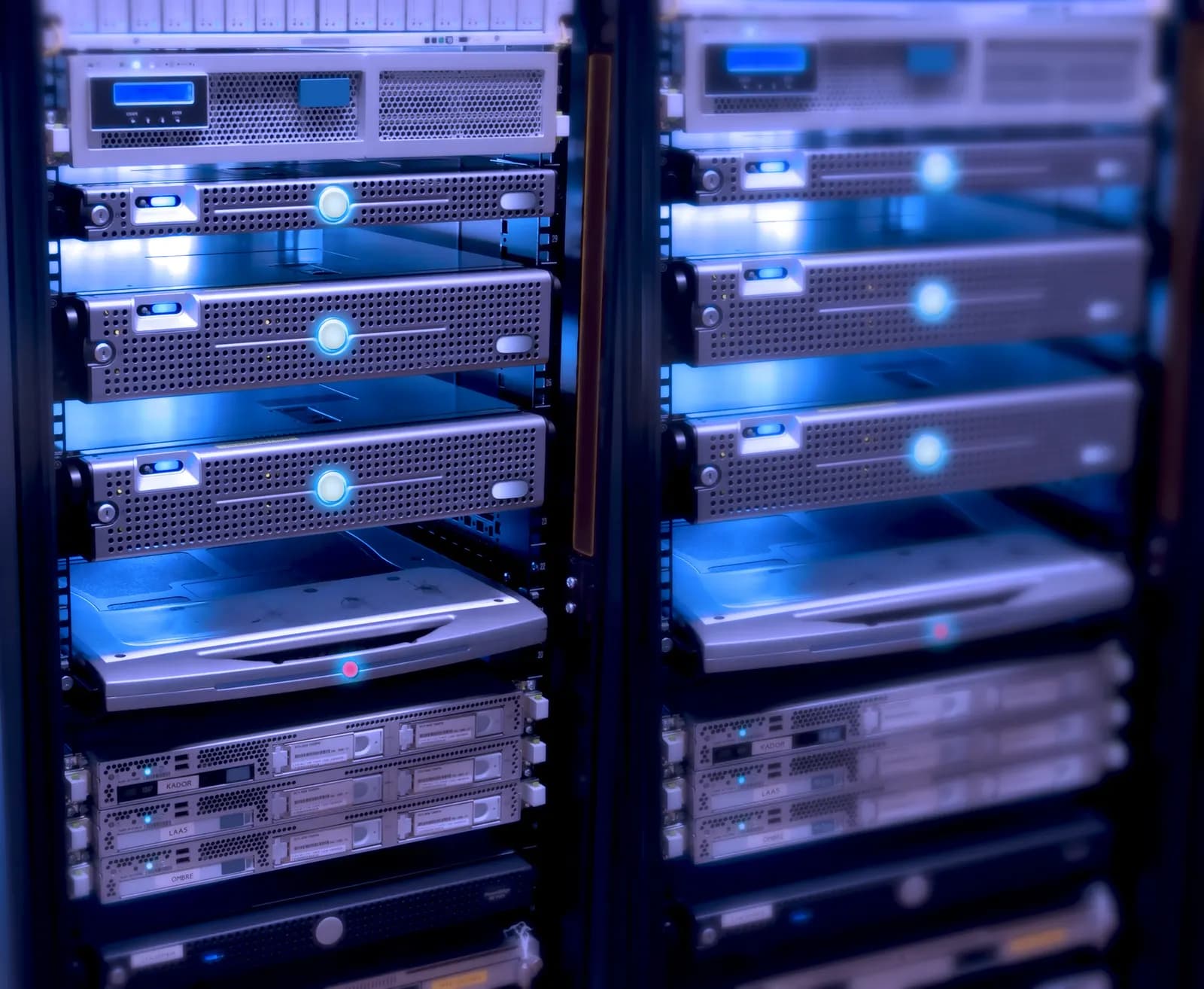
In April 2026 our team designed, priced and proposed a 976-core enterprise HPC cluster for an oil-and-gas client in Nairobi. The final budget envelope landed at KES 191.6 million inclusive of VAT. Here is the architecture we proposed, the trade-offs we made, and what we would do differently next time.
Workload Profile
The client's workloads were a mix of seismic processing, reservoir simulation and CAD visualisation. That ruled out commodity GPU farms and pointed us toward a high-core-count, high-memory-bandwidth, NVMe-heavy cluster with deterministic interconnect.
Architecture in Seven Layers
| Layer | Selection | Why |
|---|---|---|
| Rack & Power | Dell NetShelter 42U + APC 22kW Metered ZeroU PDUs (×2 redundant) | Hot/cold-aisle containment ready, per-outlet metering for cost recovery |
| Core Servers (×4) | Dell PowerEdge R6625/R7625 with 2× AMD EPYC 9124 each | OCM, Database, Tape Spooling and Disk roles — high single-thread performance |
| Compute Nodes (×12 + 2 + 3) | Dell PowerEdge R6625 with 2× AMD EPYC 9354 (32C/64T per socket) — 976 cores total | Highest performance-per-watt for embarrassingly-parallel seismic processing |
| Storage | 2× Dell PowerVault MD2412 JBOD (192TB raw) + IBM FC-2U-FL9 LTO-9 tape | Tier-2 SAS for hot data, LTO-9 for cold archive (18TB native, 45TB compressed) |
| Networking | 2× Cisco Nexus N9K-C9180YC-FX3 (25/100GbE) + 2× N9K-93108TC-FX3 (10G OOB) | MPI fabric on 25G, OOB/management on 10G — full Fabric A/B redundancy |
| End-User Compute | 6× Dell Precision R7960 + 12× UltraSharp 43" 4K + 6× Thunderbolt 5 docks + 6× Pro 14 laptops | RTX A4000 GPU for visualisation, dual-monitor + docking station for engineer mobility |
| Services | Installation, Commissioning, Training, Project Management | 0% margin — engineering hours at cost |
The Pricing Story
Our original quotation came in at KES 206.8M. The client requested a budget alignment to KES 192M. We responded by:
- Re-engaging Dell, Cisco (via Westcon-Comstor), IBM and APC for strategic project pricing.
- Holding Section A (Rack & Infra) margin at 18% — commodity Dell+APC components, industry-norm.
- Reducing Sections B–F (Servers, Compute, Storage, EUC, Networking) margin from 30% to 20%.
- Holding Section G (Services) at 0% to preserve project quality assurance.
Final landing: KES 191,594,951 incl. VAT — KES 405,049 inside the budget cap.
Three Lessons We Will Carry Forward
1. Quote in transparent margin layers, not flat percentages
When the client pushed back, our supply-chain buffer breakdown (Strait of Hormuz rerouting, FX lock-in, freight surcharge, OEM lead-time risk, working capital, PM contingency) made the conversation about which buffer to absorb rather than cut your margin. The deal closed in 36 hours.
2. Land 50% upfront in writing — everything else negotiable
50% advance on LPO buys you back 3–4 percentage points of real margin (no FX hedging, no LC fees, no working-capital drag). We made it the explicit condition for accepting the lower margin. Every percentage point gained on payment terms outweighs three points lost on price.
3. Never give margin twice on the same scope
The classic procurement squeeze is: discount Section A, then discount the bundle, then discount Services as goodwill. Each is reasonable; together they erode the deal. Hold Services as a no-go and replace any "goodwill" ask with concrete value-adds (free health-check, training refresher, priority support channel) at your own cost — the client gets the goodwill, you keep the margin.
What We Would Change
Cisco SAN over Cisco Nexus for storage fabric. If we re-architected today we would split MPI compute fabric (Nexus) from storage fabric (MDS 9148T 32G FC-NVMe). Cleaner zoning, better troubleshooting, lower noise on MPI tail latency.
NVMe-first scratch. The 2× 3.84TB NVMe per compute node was the right call — we would not change that. But we would also propose a small all-NVMe parallel filesystem (Lustre or BeeGFS) for clients with truly demanding I/O patterns.
Liquid cooling for next refresh. 96 cores per 1U node at 2.7 GHz pushes the air-cooling envelope. The next-gen Xeon 6 / EPYC Turin platforms we expect in 2027 will need direct-liquid cooling at scale — we are already specifying DLC-ready racks for new datacentre builds.
Bottom Line
HPC in Kenya is buildable, supportable and profitable today. The supply chain is mature, the Mitsumi/Westcon dealer network reliable, and OEM lifecycle support honest. The hard part is not the engineering — it is the procurement choreography. Get the architecture right, get the pricing transparent, get the conditions in writing, and the contract follows.